

Classical Vein Surgery
Classical vein surgery, or phlebectomy, is a surgical method for treating varicose veins. It is mainly used in cases where venous disease is extensive, advanced, or when minimally invasive treatment methods cannot be applied. Classical vein surgery is usually associated with the removal of the great saphenous vein (GSV – vena saphena magna). This method has been used in medicine for several decades and is an effective solution for treating severe varicose veins.
When Is Classical Vein Surgery Necessary?
Classical surgery is usually recommended if:
the great saphenous vein (GSV) is significantly dilated;
there is progressive venous insufficiency with swelling, pain, or skin changes;
complications have developed (e.g., trophic ulcers);
laser ablation or radiofrequency treatment cannot be used;
minimally invasive methods are not suitable or available in the specific case.
Before surgery, duplex ultrasonography is always performed to accurately assess the condition of the veins and plan the treatment.
How Is Classical Vein Surgery Performed?
During the procedure:
an approximately 3–5 cm incision is made in the groin area;
the surgeon exposes the great saphenous vein;
a special metal or plastic probe is inserted into the vein;
the probe is advanced to the knee or ankle (depending on the extent of the damage);
the vein is tied to the probe and removed;
the wound is sutured.
Preoperative vein marking under ultrasound guidance significantly improves surgical precision, reduces the risk of recurrence, and improves outcomes.
Anesthesia
The procedure is usually performed under spinal or general anesthesia.
The type of anesthesia is selected individually in consultation with an anesthesiologist, taking into account the patient’s health condition.
Recovery After Classical Vein Surgery
Compared to minimally invasive methods, classical vein surgery is:
more traumatic;
associated with greater postoperative discomfort;
potentially followed by a longer recovery period.
After surgery, the following may occur:
bruising;
swelling;
tenderness in the operated area;
a temporary period of incapacity for work.
Patients can usually resume daily activities within 1–3 weeks, depending on the extent of surgery and individual recovery.
Wearing compression stockings is mandatory, as well as following the doctor’s recommendations regarding physical activity and vein disease prevention.
Risk of Recurrence
After classical vein surgery, the risk of varicose vein recurrence may be higher compared to modern endovenous methods. This may be related to:
surgical technique;
stage of the disease;
genetic predisposition;
surgeon’s experience.
Therefore, the qualification and experience of the specialist performing the surgery are very important.
Advantages of Classical Vein Surgery
Suitable for severe, advanced varicose veins.
Effective for treating extensive vein damage.
Long-established and clinically proven method.
Can be combined with other surgical techniques.
Classical Surgery, Laser Surgery, or Another Method – What to Choose?
Nowadays, minimally invasive methods are more commonly used:
endovenous laser treatment (EVLA);
laser vein surgery (TOTAL EVLA);
vein closure with biological glue (VenaSeal Closure System).
These methods usually provide:
less postoperative pain;
faster recovery;
lower risk of cosmetic defects.
However, these methods are not suitable in all cases. The optimal treatment method is determined by a vascular surgeon/phlebologist after duplex ultrasonography. The specialist evaluates the condition of the veins and recommends the most appropriate treatment method.
Why Choose an Experienced Clinic in Riga?
“Baltic Vein Clinic” has been practicing this type of surgery for many years. The clinic’s specialists have extensive experience in great saphenous vein (GSV) surgery, which significantly affects:
the quality of the operation;
reduction of complication risks;
long-term results.
Doctors’ experience and precise diagnostics are the key factors for successful varicose vein treatment.
Results
Before | After |
|
|
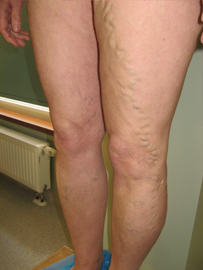
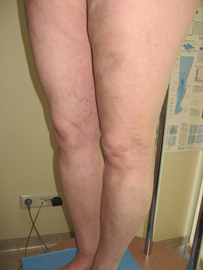
Frequently Asked Questions about Classical Vein Surgery
Is classical vein surgery safe?
Yes, it is a clinically proven method with a long history of use. Like any surgical procedure, classical vein surgery carries certain risks, but these are carefully evaluated before the procedure.
How long do I need to stay in the hospital?
Usually one day in a day-care (outpatient) hospital setting, depending on the patient’s condition.
Can veins grow back?
The removed vein does not grow back; however, new varicose veins may develop in other veins.
Will there be scars?
A small scar remains in the groin area, which becomes less noticeable over time.
If you need a consultation regarding varicose vein treatment in Riga or elsewhere in Latvia during doctors’ outpatient visits, please schedule a consultation with a vascular surgeon/phlebologist and a duplex ultrasound examination. The specialist will assess the condition of your veins and recommend the most suitable treatment method for you!


