

Vein Closure with Biological Glue (VenaSeal® Closure System)
Vein closure with biological glue, known as the VenaSeal® Closure System, is one of the newest and most gentle endoluminal vein surgery methods in the world. It was introduced in 2012, and Latvia was the fourth country in the world where this technology became available to patients.
Unlike laser ablation or radiofrequency methods, VenaSeal is neither a thermal nor a chemical ablation technique. Therefore, during the procedure the vein is not heated and anesthesia is not required.
The Most Advanced and Gentle Method for Treating Varicose Veins: How Is the Procedure Performed?
During the procedure:
a thin catheter is inserted into the vein;
a special medical biological adhesive is delivered through the catheter;
the adhesive seals the damaged vein from the inside;
over time (approximately within 6 months), the vein transforms into connective tissue and is completely replaced by the body’s own tissue;
no foreign substances remain in the body.
The VenaSeal® Procedure Is:
completely painless;
without incisions;
without vein heating;
without risk of nerve damage;
without bruising (hematomas);
without skin sensitivity disturbances.
Why Choose Vein Closure with VenaSeal®?
Main Advantages
No anesthesia required.
No need to wear compression stockings after the procedure.
No bruising or bleeding.
No need for bandaging or special postoperative care.
The shortest recovery period.
Immediate visual effect.
The patient can immediately return to daily activities.
This method is especially suitable for patients:
with comorbidities where anesthesia is not recommended;
with increased sensitivity to anesthetic agents;
with psychological fear of surgical procedures;
who wish to return to work and active life as quickly as possible.
VenaSeal® Safety and International Recognition
Biological adhesives have been used in medicine for 40–50 years across various surgical specialties and have proven their safety both during surgery and in the postoperative period.
The adhesive used in the VenaSeal® system:
has received approval from the U.S. Food and Drug Administration (FDA);
has been clinically studied and internationally recognized as a safe and effective method for treating chronic venous insufficiency;
is widely used in Europe and worldwide.
Applications of VenaSeal®
The biological glue method is used in:
phlebology (treatment of varicose veins);
proctology;
other surgical procedures.
It is suitable for treating both large trunk veins and superficial veins when chronic venous insufficiency has been diagnosed.
VenaSeal®: Comparison with Other Methods
Method | Anesthesia Required | Compression Stockings | Bruising | Risk of Nerve Damage |
Classical method | Yes | Yes | Possible | Possible |
Laser ablation | Yes | Yes | Possible | Possible |
Radiofrequency | Yes | Yes | Possible | Possible |
VenaSeal® biological glue | No | No | None | None |
Vein Closure with Biological Glue VenaSeal® in Latvia
VenaSeal® technology is available in Latvia as a modern alternative to traditional vein surgery. It is especially suitable for patients who want:
maximum comfort;
safety;
the best possible aesthetic result;
a quick return to their daily routine.
|
|
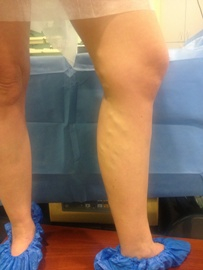
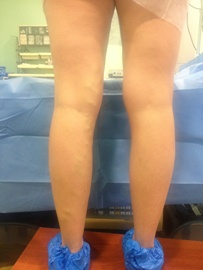
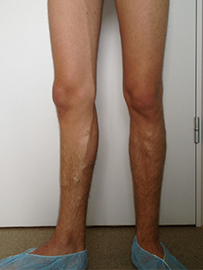
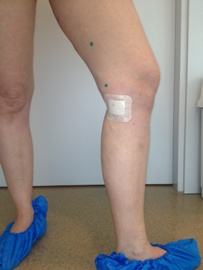
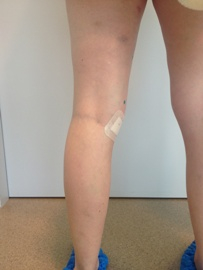
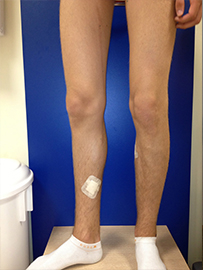
Results – Vein Closure with VenaSeal® Biological Glue. Before and After Procedure Images
Before | ||
|
|
|
After | ||
|
|
|
When Should You Consult a Phlebologist?
A consultation with a vascular surgeon/phlebologist and a duplex ultrasound examination of the veins is recommended if you have:
visible enlarged or nodular veins;
a feeling of heaviness in the legs;
leg swelling;
night cramps;
pain or burning sensation in the vein area.
To determine whether vein closure with VenaSeal® is suitable for you, schedule a consultation with a vascular surgeon/phlebologist and a duplex ultrasound examination. The specialist will assess the condition of your veins and recommend the most appropriate treatment method.


